
A repair needs a defined boundary
A targeted repair may suit a damaged tread, board or connection when the surrounding assembly remains suitable. Ask what caused the defect and whether nearby components were checked. Matching old materials can have appearance limits.
Movement, soft wood or a questionable guard needs professional assessment. Restrict use where stability is in doubt until the relevant evaluation and work are complete.
Resurfacing depends on the frame
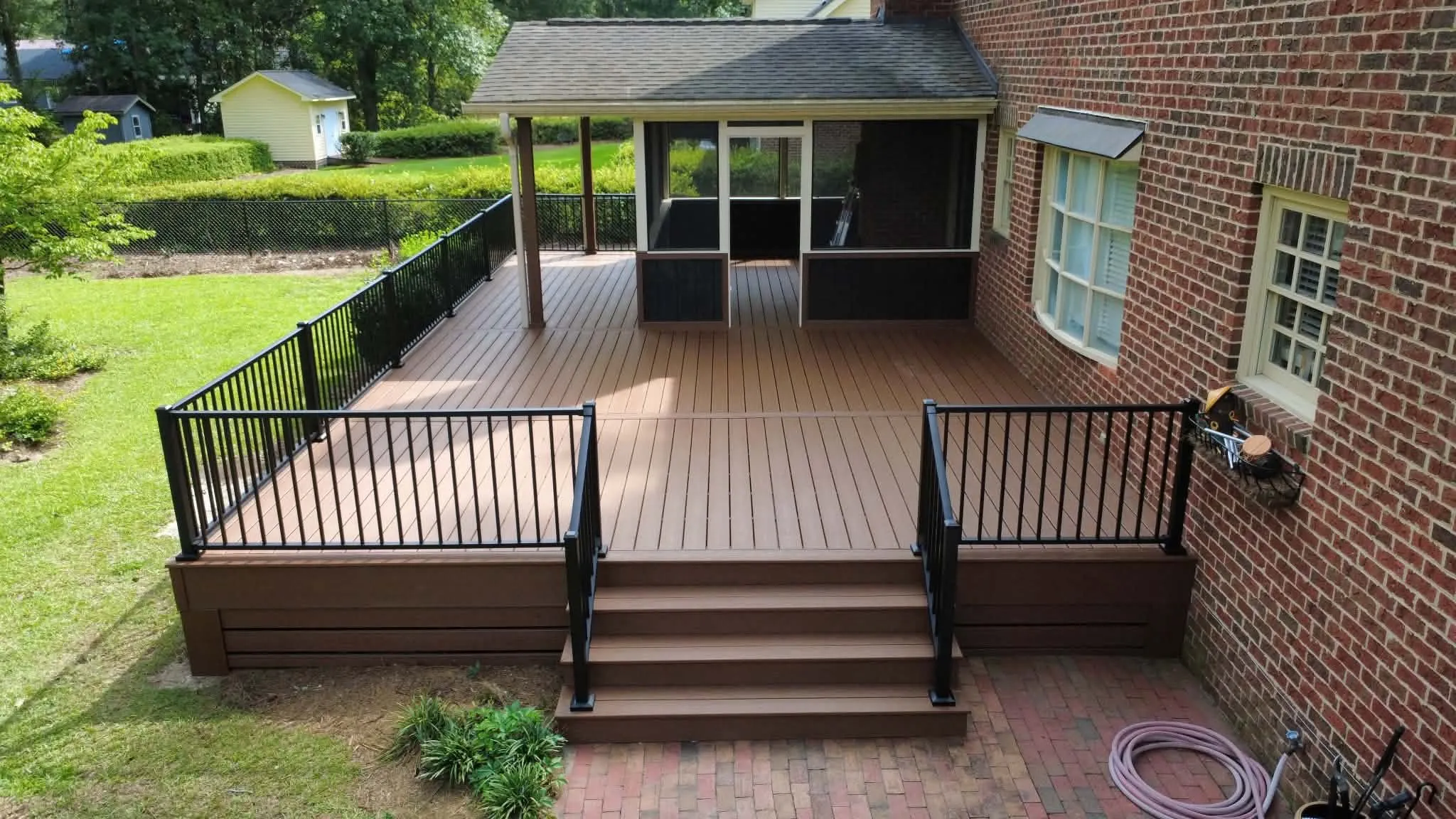
Redecking replaces the walking boards while retaining assessed framing. Its cost should include any necessary support adjustments, trim and stair transitions. Changing from wood to composite or PVC introduces product-specific requirements.
The assessment should state what can remain and what was inaccessible. A fresh surface should not conceal unresolved structural deterioration.
Replacement can address condition and layout
Broader deterioration, unsuitable connections or a changed use can favor replacement. A rebuild also allows stairs or landings to move where the property supports the change.
Compare the required structural work with optional layout upgrades. That distinction makes it easier to decide whether an expanded platform is useful or whether a same-footprint rebuild meets the need.